Skylight maintenance is often overlooked, yet it plays a critical role in the longevity and functionality of these installations.
Homeowners may not realize that neglecting regular upkeep can lead to significant issues such as leaks and reduced energy efficiency.
Understanding the common problems associated with skylights and adopting effective maintenance practices is essential. What specific steps can be taken to guarantee these features remain both beautiful and effective?
Although often overlooked, regular skylight maintenance is essential for preserving the integrity and functionality of these architectural features. Proper upkeep not only enhances the aesthetic appeal of a space but also extends the lifespan of the skylight. Regular inspections allow homeowners to identify potential issues before they escalate, ensuring that the skylight remains watertight and energy-efficient.
Cleaning the glass and frames helps prevent the buildup of dirt and debris, which can obstruct light and promote mold growth. Additionally, checking seals and flashing for wear can avert leaks and water damage. By maintaining proper drainage systems, homeowners can also prevent water pooling, a common cause of structural damage.
Ultimately, consistent maintenance fosters a safe and pleasant indoor environment, contributing to overall property value. Investing time and effort into skylight care can yield significant long-term benefits, making it a worthwhile endeavor for any homeowner.
Regular maintenance helps in identifying common skylight problems that can arise over time, impacting both functionality and aesthetics. One prevalent issue is leaks, often caused by worn seals or improper installation, leading to water damage and mold growth. Another concern is condensation buildup, which can obscure views and promote dampness, affecting indoor air quality.
Additionally, skylights may become foggy or scratched due to weather exposure, diminishing natural light and visual appeal. Improper flashing can also result in structural damage, as it fails to direct water away from the skylight. Moreover, frames may warp or degrade, compromising insulation and energy efficiency.
Addressing these problems early guarantees sustained performance and enhances the home's overall value. Regular inspections and prompt repairs play a vital role in maintaining the aesthetic and functional integrity of skylights, safeguarding the investment made in this architectural feature.
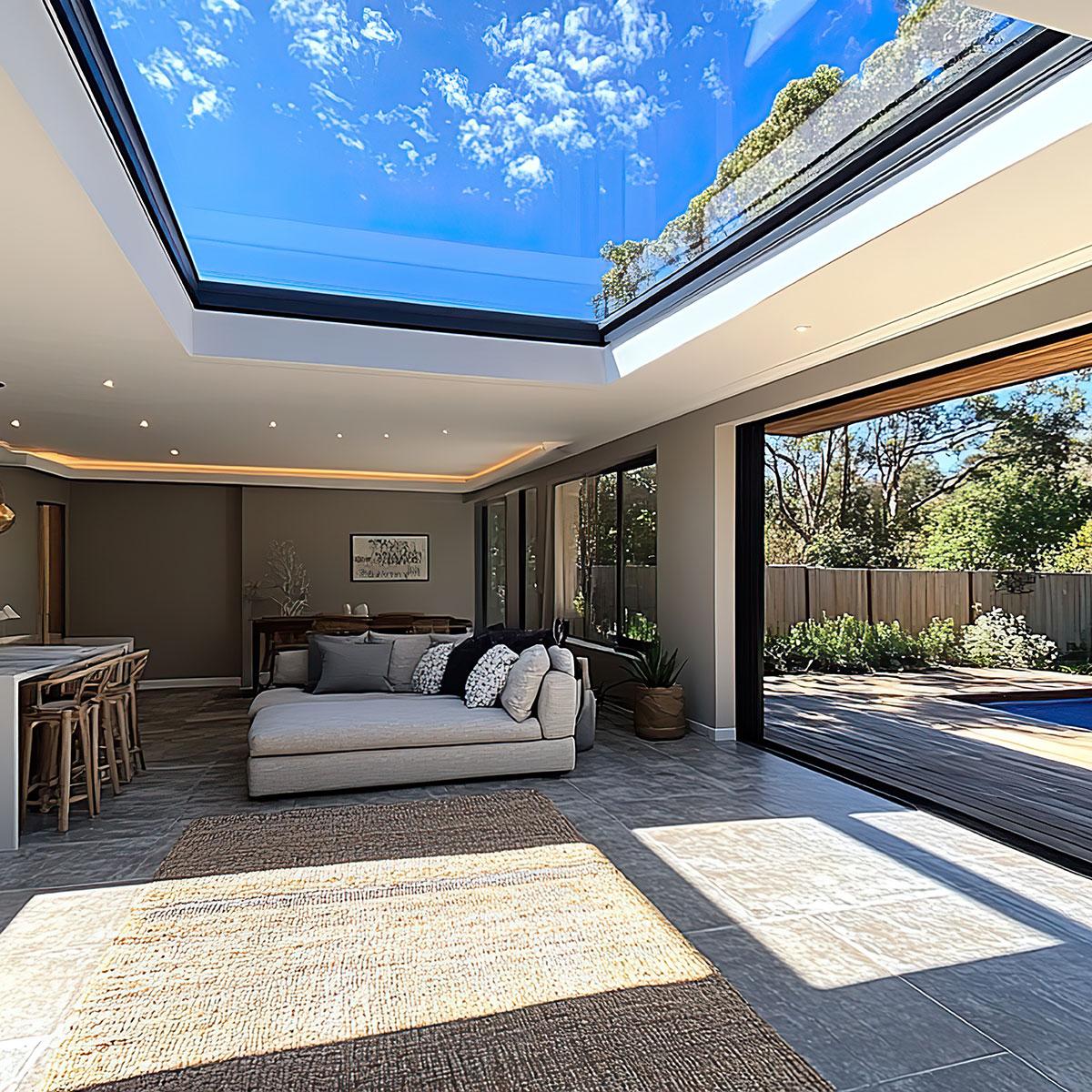
Cleaning skylights is essential for maintaining their clarity and functionality. Regular cleaning not only enhances the aesthetic appeal but also guarantees maximum light penetration. For effective cleaning, a mixture of mild soap and water is recommended. This solution can be applied using a soft cloth or sponge to avoid scratching the glass surface.
It is advisable to perform cleaning during overcast days to prevent the solution from drying too quickly, which can lead to streaks. For hard-to-reach areas, a ladder or extension pole can be utilized, prioritizing safety.
Additionally, using a squeegee can aid in achieving a streak-free finish. Care should be taken to avoid abrasive materials that could damage the glass. Regular maintenance, including removing debris from the surrounding frame, will also help in preserving the skylight's functionality and appearance over time.
How can one effectively identify potential damage in skylights? A thorough visual inspection is essential. Begin by examining the skylight frame for any signs of warping or cracks, which may compromise structural integrity.
Next, assess the glazing for chips, scratches, or haziness, as these can indicate wear or damage. Additionally, check for discoloration or staining around the edges, which may suggest water infiltration. Inspect the surrounding roof area for debris or overhanging branches that could pose a risk.
Finally, observe the interior ceiling for signs of moisture or mold, as these are indicators of potential leaks. Regular visual assessments can help maintain the skylight's functionality and extend its lifespan, ensuring a well-maintained installation.

Following a thorough visual inspection, the next step in maintaining skylights involves checking sealant integrity. This assessment is essential, as the sealant serves as a barrier against water infiltration and air leaks. Inspectors should look for signs of deterioration, such as cracks, gaps, or peeling.
Areas around the edges and joints require particular attention, as these are common failure points. A simple touch test can help identify soft or compromised areas, indicating the need for replacement. Additionally, any visible discoloration or mold growth may signify underlying issues that warrant further investigation.
Regular sealant integrity checks guarantee that skylights continue to perform effectively, safeguarding the interior from potential damage and maintaining energy efficiency.
Inspectors should meticulously examine the skylight frame for signs of damage, as its condition is essential for overall performance and longevity. Key areas to focus on include the frame joints, which may show cracks or gaps due to weather exposure.
Additionally, rust or corrosion can compromise metal frames, while wooden frames may exhibit warping or rot. Inspectors should also assess the frame's alignment to guarantee it fits properly within the opening, as misalignment can lead to leaks.
Any visible wear, such as peeling paint or damaged finishes, should be noted, as these can indicate deeper issues. Regular inspections will help identify problems early, allowing for timely repairs and prolonging the lifespan of the skylight installation.

Skylights can be installed in various weather conditions, but ideal circumstances are typically clear, dry days. Rain or extreme temperatures may hinder proper installation, potentially compromising the structures integrity and weatherproofing effectiveness.
Skylights are commonly made from materials such as glass, acrylic, and polycarbonate. Glass offers durability and clarity, while acrylic and polycarbonate provide lightweight options with enhanced insulation and impact resistance, catering to various design preferences and functional needs.
Yes, energy-efficient skylight options are available. These often include double or triple glazing, low-emissivity coatings, and insulated frames, which help reduce heat loss and improve overall energy performance in residential and commercial settings.